


How to Choose a Custom Home Builder in Australia
A Complete Guide for Australian Homeowners Planning a Custom Build
Choosing a custom home builder in Australia is one of the most consequential decisions you'll make in the entire building process. The right builder will deliver a home that meets your brief, your budget, and your timeline and with clear communication throughout. The wrong one can cost you significantly more money, time, and stress than you ever anticipated. This guide walks you through every factor that matters: experience, process, licensing, quality, price transparency, and the questions you should ask before you sign anything.

Volume Builders vs Custom Builders: What's the Difference?
Before you start comparing builders, it's worth understanding the fundamental difference between a volume builder and a custom home builder, because they are not comparable products. Volume builders operate at scale: they offer a catalogue of pre-designed homes with limited modification, standardised materials, and pricing models that work because the same design is repeated across hundreds of builds. If your block is standard and your brief is straightforward, a volume builder may suit your needs. Custom home builders, by contrast, design every home from scratch around your specific site, your lifestyle, and your brief. This matters enormously on sloping blocks, narrow lots, corner sites, and prestige locations, where a pre-designed home simply cannot perform. It also matters when design quality, material specification, and architectural character are priorities.
Volume Builder | Custom Builder | |
Design | Pre-designed, limited changes | Fully designed around your brief |
Flexibility | Low | High |
Best for | Standard flat blocks, standard briefs | Sloping, narrow, corner, or prestige sites |
Service | Streamlined, less personalised | Personalised, direct relationships |
Price entry point | Lower | Higher, but more accurate to your actual needs |
Design ownership | Builder owns the design | Designed specifically for you |
Look for Experience in the Style of Home You Want
Not all custom home builders are equally skilled across all architectural styles. A builder who specialises in contemporary homes may not have the detailing knowledge to deliver a convincing French Provincial home or Hamptons home, and vice versa. The difference shows in the execution: cornice profiles, facade proportions, joinery details, window mullion widths, and material selections that are specific to each style. When you shortlist builders, look specifically for completed examples of the style you want. Not renders. Not mood boards. Completed, photographed, built homes you can inspect in person.
Ask to See Completed Homes, Not Just Renders
Any builder can produce impressive 3D renders. What matters is whether the finished home matches those renders in quality, detail, and execution. Ask every builder you consider to provide addresses of completed projects you can drive past or inspect. If a builder is hesitant to provide this, treat it as a red flag. A builder who is proud of their work will have no hesitation showing it to you.
Styles to ask about:
Georgian homes
Contemporary homes
Luxury custom homes

Review Their Design and Construction Process
A builder's process tells you almost everything about how your project will be managed. The best custom home builders in Australia have a clearly defined, documented process that covers every stage from initial brief to handover, and they can explain it to you plainly without hesitation. If a builder is vague about how they move from design to construction, or cannot clearly explain who is responsible for what at each stage, that uncertainty will not resolve itself once you've signed a contract.
Key Process Questions to Ask
Do you design in-house, or do you work with external architects?
Who handles council approvals and planning permits?
Who prepares the specifications and working drawings?
Who manages construction on site day to day?
Will I have one consistent point of contact throughout the project?
Check Licensing, Insurance, and Reputation
In Australia, all residential builders must hold a valid builder's licence in the state or territory where they operate. Before you proceed with any builder, verify their registration through your state's relevant authority, the Victorian Building Authority (VBA) in Victoria, NSW Fair Trading in New South Wales, the QBCC in Queensland, and so on. Beyond licensing, confirm that your builder holds domestic building insurance (also known as home warranty insurance in some states), which protects you if the builder becomes insolvent, dies, or disappears before completing your home. This cover is a legal requirement in most states for residential contracts above a certain threshold. Finally, look beyond the builder's own testimonials: search for independent Google reviews, seek references from recent clients, and ask specifically to speak with someone whose project is similar in style and scale to yours.
In short;
Verify builder registration with your state authority (VBA, NSW Fair Trading, QBCC)
Confirm domestic building insurance / home warranty insurance is in place
Read independent Google and third-party reviews
Ask for references from clients with similar project types
Check how long the company has been operating under its current name
Inspect the Quality of Their Work
Quality in residential construction is visible if you know where to look. When you visit a completed home or an active build site, slow down and look past the staging and the landscaping. The true measure of a builder's standard is in the details that most people walk straight past. Ask to visit a home that is currently under construction as well as a completed one, a live site will show you how the builder manages materials, subcontractors, and site cleanliness, which correlates directly with the quality of the finished product.
What to Look at When Inspecting a Completed Home
Brickwork and render: look for consistency, clean lines, and no cracking
Cabinetry: check door alignment, hardware finish, and drawer function
Tiling: look for consistent grout lines, no lippage, and clean cuts at edges
Flooring: check for gaps, squeaks, and level transitions between rooms
Cornices and ceiling roses: look for sharp, clean profiles with no cracking
Joinery: inspect window reveals, architraves, and skirting board mitres
Overall finish: walk through with the mindset of a building inspector, not a visitor

Understand What Is Included in the Price
Price comparison between custom home builders is meaningless without a clear understanding of what each quote actually includes. A builder offering a lower headline price may be excluding site costs, council fees, engineering, landscaping, driveways, appliances, heating and cooling, and other items that a more transparent builder has included. This is one of the most common ways that clients find themselves significantly over budget mid-project, what appeared to be a competitive quote was simply an incomplete one. When you receive any quote, request a detailed inclusions schedule and ask the builder to walk you through every line item. The goal is not to find the cheapest quote. It is to find the most accurate one.
Items to Check Are Included in Your Quote
Site costs (excavation, retaining, soil removal)
Council fees and planning permits
Structural and civil engineering
Landscaping and garden works
Driveway and external paving
Kitchen appliances
Heating and cooling systems
Builder's margin and contingency
A cheap quote is rarely a cheap home. The most common reason custom home builds run over budget is not unforeseen site conditions, it is incomplete quoting at the start of the process. Always ask: what is not included in this price?
Ask About Timeframes
A realistic, documented timeline is a sign of a professional builder. Ask for an estimated programme that covers design, planning approvals, working drawings, and construction, with approximate durations for each stage. Be wary of builders who give very short timeframes to win your business, or who are vague about how long each stage takes. For a quality custom home in Melbourne, the full process from initial brief to handover typically spans 18 to 30 months, depending on the complexity of the design, council requirements, and construction programme. Understanding this upfront allows you to plan your finances, accommodation, and life around a realistic schedule.
What Causes Building Delays?
Council or planning permit delays
Late design decisions or client-initiated changes
Material and supply chain delays
Subcontractor scheduling conflicts
Adverse weather during critical construction stages
Incomplete or inaccurate documentation at the start of construction
Understand How Variations Are Managed
Variations, changes made to the design or specifications after the contract is signed, are one of the most common sources of budget blowout and relationship breakdown in residential construction. Most clients make at least some changes during the build. What matters is how those changes are managed. A professional builder will have a clear, written variation process: every change is documented, priced, and approved by the client in writing before work proceeds. Ask any builder you are considering to explain their variation process in detail. If the answer is vague or informal, that is a significant warning sign.
Ensure that;
Every variation should be documented in writing before work proceeds
You should receive a cost impact before approving any change
Variations should reference the relevant contract clause
Upgrade requests during selections should be handled through the same process
Evaluate Communication and Transparency
Communication quality during the sales process is your single most reliable predictor of communication quality during the build. Pay attention to how quickly calls and emails are returned, how clearly questions are answered, and whether the people you're speaking with are honest about limitations and timelines, or whether everything sounds suspiciously perfect. A builder who overpromises before you sign a contract is very likely to underdeliver after you do. The builders with the best reputations in Australia's custom home builder market are known not just for the quality of their homes, but for the clarity and consistency of how they communicate throughout a project.
Are calls and emails returned within a reasonable timeframe?
Are questions answered clearly and directly, without deflection?
Are costs explained transparently, including what is not included?
Are timelines presented realistically, or do they seem too good to be true?
Do you feel like a valued client, or a transaction?
15 Questions to Ask Before Choosing a Custom Home Builder
Take these questions into every builder meeting. A confident, experienced builder will welcome all of them. A builder who becomes evasive or dismissive when asked to be specific is showing you exactly how they will behave if something goes wrong on site.
How many custom homes do you build each year?
Can I visit a completed home that is similar in style and size to mine?
Who will manage my project day to day, and will that person change during the build?
What is included in the quoted price, and what is not?
How are variations handled, and what is your documentation process?
What insurance do you hold, and can you provide a certificate of currency?
How long will the design phase take?
How long will construction take once permits are issued?
Can I speak with two or three past clients whose projects are similar to mine?
Do you handle council approvals and planning permits, or do I need to engage someone separately?
What happens if costs increase after the contract is signed?
How often will I receive updates, and through what channel?
Who prepares the specifications, and can I review them before signing?
What structural and workmanship warranties do you provide?
What makes your process meaningfully different from other builders I might be considering?

Red Flags to Watch For When Choosing a Custom Home Builder
Most building disputes are predictable in retrospect, the warning signs were present before the contract was signed. These are the most common red flags to watch for when evaluating a custom home builder in Australia.
Extremely low pricing: a quote that is significantly below competitors almost always means something is missing from the inclusions, not that you've found a bargain
No recent completed projects to inspect: if a builder can't show you a finished home from the last 12–18 months, ask why
Vague or incomplete inclusions: any quote that doesn't specify what is and isn't included should be treated with caution
Slow or evasive communication before you sign: this is the best version of your relationship with this builder; it will not improve after you've signed
Pressure to sign quickly: a legitimate builder will give you the time you need to make a considered decision
Inability to explain their process: if a builder can't walk you through their design-to-construction process clearly, they don't have one
No fixed point of contact: if a lot of different people handle different stages with no clear accountability, expect gaps and miscommunication
How to Compare Two Custom Builders Fairly
Once you have shortlisted two or three builders, the challenge is comparing them fairly, because quotes, processes, and presentations are rarely structured the same way. The eight areas that matter most are: experience and portfolio, design capability, build quality (assessed in person), communication during the sales process, clarity of process, price and inclusions transparency, realistic timeframes, and verified reviews or references. We've written a detailed guide to comparing two custom builders side by side, including a scoring framework you can use, which you can read here: How to Compare Two Custom Builders Fairly. The short version: don't compare headline prices. Compare what is actually included, what you have actually seen built, and how confidently and clearly each builder has answered your questions.
Why Many Homeowners Choose a Design and Build Company
The traditional model of engaging a separate architect and then tendering the design to builders introduces complexity, cost, and potential for misalignment. When the designer and builder are two different organisations, the gap between design intent and built reality can be significant, and accountability for that gap is often disputed. A design and build company handles both under one roof, with one contract and one point of accountability. For homeowners building a custom home, this model typically means a smoother design process, better cost certainty earlier, and a clearer line of responsibility from concept to handover. It also tends to produce better outcomes when the design team and construction team have an established working relationship, the design is developed with genuine buildability in mind, not handed over as a theoretical document and left to the builder to interpret.

Frequently Asked Questions
Is a custom home builder more expensive than a volume builder?
Generally, yes, the entry price for a custom home is higher than a volume build. However, the comparison is not straightforward. A volume build on a complex site often attracts significant site cost additions that close the gap quickly. A custom home builder also gives you full control over the design, materials, and specification, which means the home is built to your standard, not a standardised one. For prestige, sloping, or architecturally complex sites, a custom builder is not just preferable; it is often the only viable option.
How many builders should I compare?
Two to three builders is the right number for a meaningful comparison. More than three becomes unwieldy and difficult to evaluate fairly, each builder invests time in preparing a quote, and the quality of that engagement matters. Comparing too many also risks decision fatigue at a stage when clear thinking is important. Focus on shortlisting builders who have genuine experience in your home style, and then compare them deeply rather than broadly.
Should I choose the cheapest quote?
No. Choosing the cheapest quote in residential construction is one of the most reliably costly decisions a homeowner can make. Cheap quotes are almost always cheap because something is missing, either from the inclusions, the quality of subcontractors, the level of supervision, or the builder's margin that funds proper project management. Choose the quote that represents the best value: the most complete, most transparent, and most confidently delivered by a builder whose work you have inspected in person.
What is included in a custom home contract?
A residential building contract in Australia should include: the full scope of works, a detailed specifications schedule, a payment schedule tied to construction milestones, a variation process, a dispute resolution mechanism, completion timeframes, and the builder's licensing and insurance details. In Victoria, most residential contracts use the Master Builders Association or HIA contract forms. Before signing, have the contract reviewed by a solicitor with residential building experience, particularly if the contract value is above $500,000.
How long does a custom home take to build in Melbourne?
For a quality custom home in Melbourne, the full programme from initial brief to handover typically runs between 18 and 30 months. Design and documentation usually takes 4–8 months, planning approvals add a further 2–6 months depending on the council, and construction runs 10–18 months depending on the size and complexity of the home. These are realistic timeframes, builders who promise significantly shorter programmes should be questioned on how they intend to achieve that without cutting corners.
Can a custom builder help with the design of my home?
Yes, and with a design and build company, design is fully integrated into the process. Rather than engaging an architect separately and then finding a builder, a design and build company provides both services under one roof. This typically leads to better cost certainty earlier, a more buildable design, and clearer accountability throughout the project. If design quality is a priority, as it usually is for luxury custom homes, ask specifically about the builder's in-house design capability and ask to see design drawings from completed projects.
What questions should I ask a builder at the first meeting?
At a minimum: how many homes do you build per year? Can I visit a completed home? Who will manage my project? What is and isn't included in your price? How do you handle variations? What insurance do you hold? And we’ve included the full list of 15 questions above in this article! So, make sure to take it with you to every builder meeting and pay attention not just to the answers, but to how willingly and clearly those answers are given.
How do I compare two building quotes fairly?
Start by making the quotes comparable: request a detailed inclusions schedule from both builders and identify any items that are included in one but not the other. Add the cost of missing items to the lower quote to get a true comparison. Then assess the less tangible factors, the quality of work you've inspected in person, the responsiveness of communication, the clarity of the process, and the credibility of references. Price is one input, not the answer. We've written a dedicated guide to comparing two custom builders fairly, which you can read here!
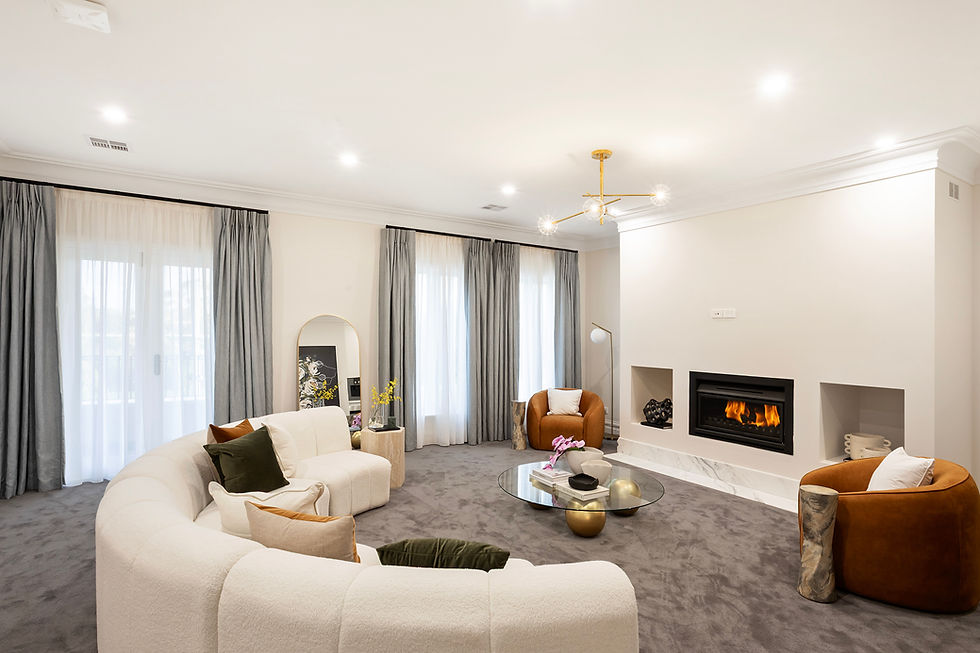
Choosing the right custom home builder is the single most important decision in your build, and it deserves the same rigour you'd apply to any major financial and lifestyle commitment. At Carmel Homes, we welcome the questions on this list. We can show you completed homes, introduce you to past clients, walk you through our process in detail, and give you a quote that tells you exactly what is and isn't included. If you're ready to start that conversation, we'd love to hear from you.
Written by Adib Adely, Director of Carmel Homes


